Enhancing Patient Experience with Intelligent Search Bar in Healthcare
Dor Peleg3 min read
Key facts
RILLOO built an intelligent search bar for a healthcare provider that uses fuzzy search, autocomplete and contextual guidance to direct patients to the right medical service. It runs on Elasticsearch and AWS, with Python and JavaScript.
- Industry
- HealthcareA healthcare provider
- Challenge
- Patients often do not know the exact name of a medical service or department, which causes frustration, delays and missed appointments.
- Solution
- An intelligent search bar with fuzzy search, autocomplete and contextual guidance that directs patients to the right medical service, built on Elasticsearch and hosted on AWS.
- Results
- Patients find the services they need more easily
- Staff receive fewer repetitive questions
- Technologies
- ElasticsearchAWSPythonJavaScript
Finding the right medical service quickly can be stressful for patients, especially when they need urgent care or specialized procedures. A clear, easy-to-use search tool can make a big difference in guiding patients to the care they need without confusion or delay. This post explores how an intelligent search bar was developed to improve patient navigation through healthcare services, making the process faster, more accurate, and more satisfying.
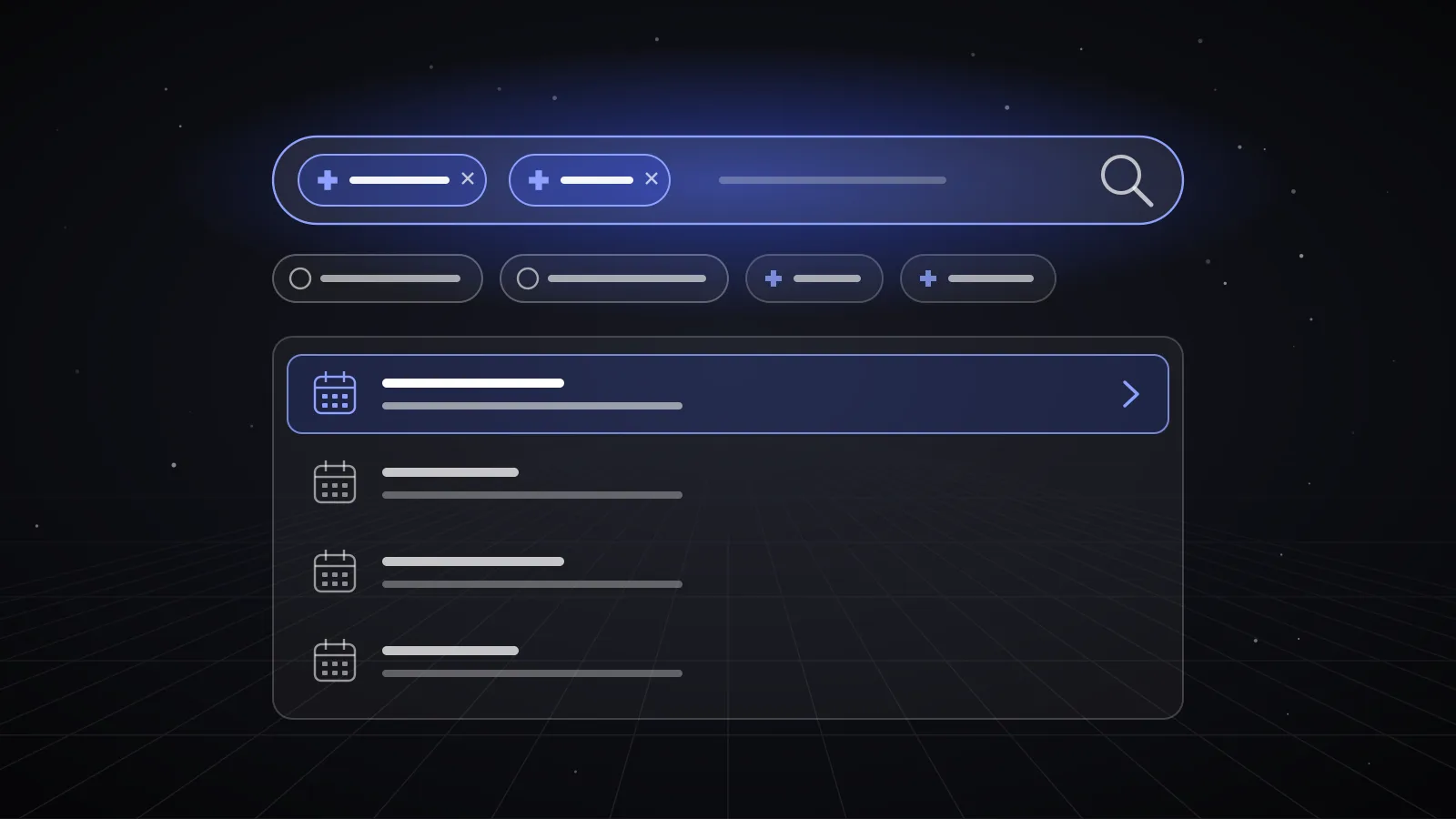
Intelligent search bar guiding patients to medical services
Why Patients Need Better Search Tools in Healthcare
Healthcare systems often offer a wide range of services, from consultations and imaging to procedures and emergency care. Patients may not always know the exact name of the service they require or the department to contact. This can lead to frustration, longer wait times, and even missed appointments.
An intelligent search bar helps by:
- Reducing confusion about where to go or who to contact.
- Speeding up the process of finding the right service.
- Improving patient satisfaction by making navigation simple.
- Supporting healthcare staff by lowering the volume of basic inquiries.
How the Intelligent Search Bar Works
The search bar was designed to guide patients from their initial input to the most appropriate medical service. It uses several key features:
- Fuzzy search: This allows the system to understand and correct minor spelling mistakes or typos, so patients don’t have to type perfectly.
- Autocomplete: As patients start typing, the search bar suggests possible services or departments, helping them find options faster.
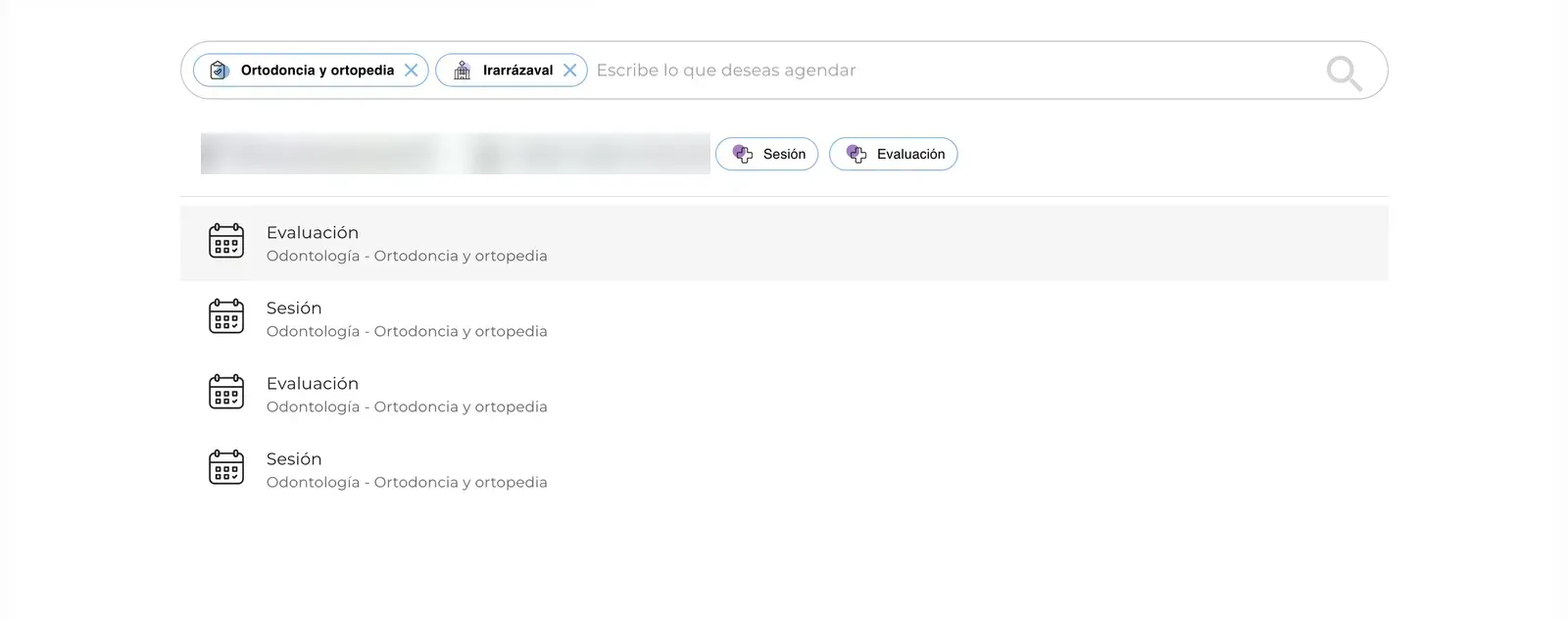
- Contextual guidance: Based on the input, the system narrows down choices to relevant services like consultations, imaging, or procedures.
These features work together to create a smooth, user-friendly experience that adapts to the patient’s needs.
Technologies Behind the Solution
Building this intelligent search bar required a combination of powerful tools and infrastructure:
- Elasticsearch: This search engine technology handles large volumes of data and delivers fast, relevant search results. It supports fuzzy search and autocomplete features efficiently.
- AWS Infrastructure: Hosting the solution on Amazon Web Services ensures the system can scale to handle many users simultaneously without slowing down.
- Python and JavaScript: These programming languages were used to develop the backend logic and frontend interface, making the search bar interactive and responsive.
Together, these technologies provide a reliable, scalable platform that can grow with the healthcare provider’s needs.
Real-World Impact on Patient Experience
Since implementing the intelligent search bar, patients have found it easier to locate the services they need. For example:
- A patient unsure about the exact name of a diagnostic test could type a rough description and quickly find the imaging department.
- Someone needing a specific procedure could start typing the procedure name and receive immediate suggestions, reducing the time spent searching.
- Emergency callers could be directed to the right ambulance or urgent care service faster, improving response times.
Healthcare staff also noticed fewer repetitive questions, allowing them to focus on more complex patient needs.
Best Practices for Developing Healthcare Search Tools
When building search tools for healthcare, consider these points:
- Understand patient language: Use terms and phrases patients commonly use, not just medical jargon.
- Test with real users: Gather feedback from patients to refine autocomplete suggestions and search accuracy.
- Ensure data privacy: Protect patient information and comply with healthcare regulations.
- Provide clear guidance: Offer explanations or links to help patients understand their options.
- Maintain performance: Use scalable infrastructure to keep the search fast even during peak times.
Looking Ahead: Expanding Intelligent Search in Healthcare
The success of this search bar opens doors for further improvements, such as:
- Integrating voice search for hands-free use.
- Adding personalized recommendations based on patient history.
- Connecting search results directly to appointment booking systems.
These enhancements could make healthcare navigation even more seamless and patient-friendly.
Patients deserve tools that make accessing healthcare simple and stress-free. Intelligent search bars that understand user input and guide patients effectively can transform how people find medical services. By combining smart technology with patient-centered design, healthcare providers can improve satisfaction and outcomes.