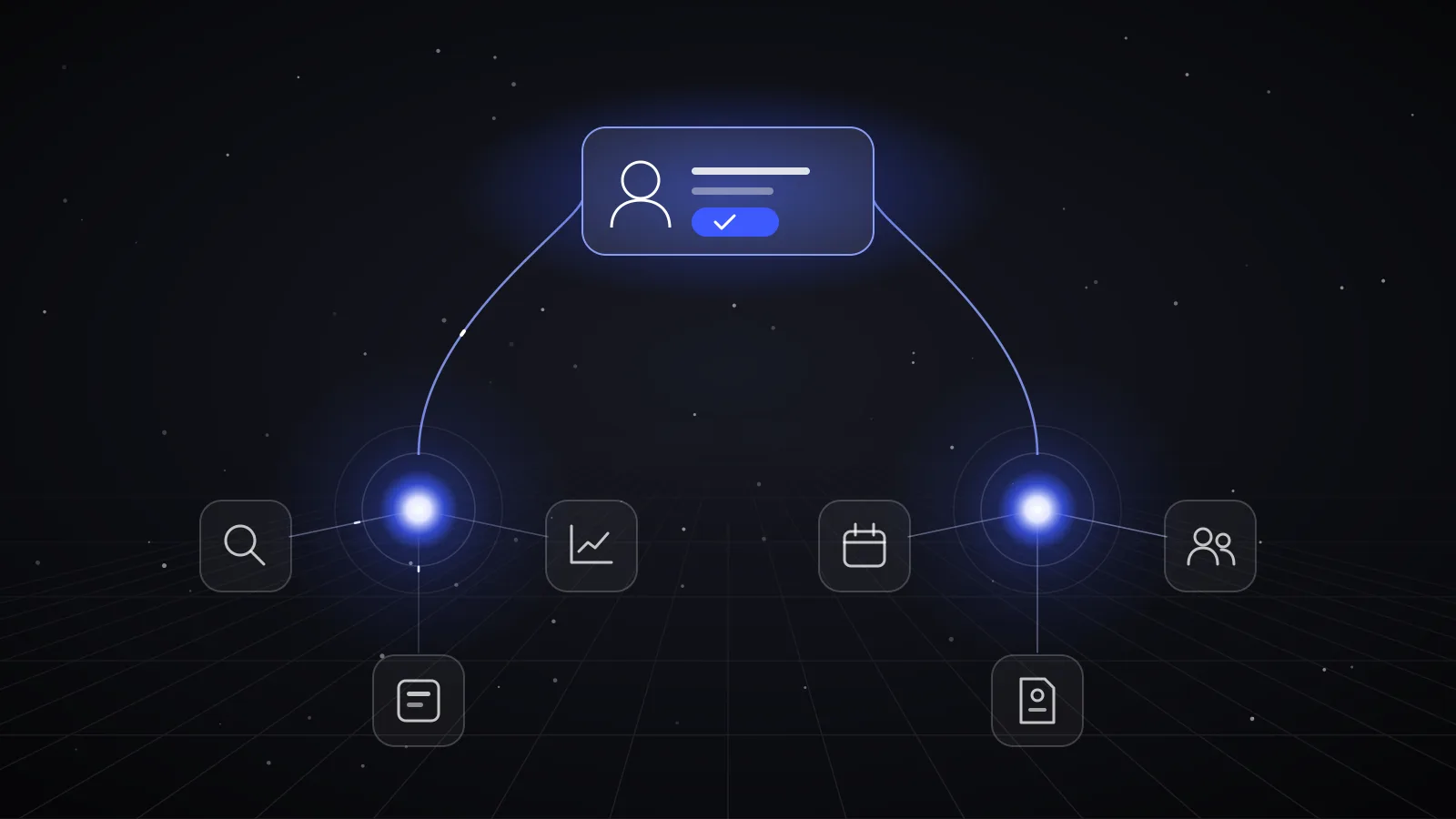
Autonomous Driving Data Management with Advanced Simulation Technologies
Dor Peleg2 min read
Key facts
RILLOO built a web application that automatically extracts driving scenarios from raw camera, lidar and radar data and organizes them into searchable datasets. Engineers can visualize and customize the scenarios in the CARLA Simulator with Unreal Engine, on Google Cloud Platform.
- Industry
- Automotive
- Challenge
- Large volumes of raw autonomous-driving sensor data (camera, lidar and radar) need heavy processing before they are useful for research and development.
- Solution
- A web application that automatically extracts and categorizes driving scenarios from raw sensor data, removes duplicates, supports parameter-based search, and visualizes scenarios in CARLA and Unreal Engine.
- Results
- Eliminates manual labeling and speeds up data preparation
- Increases data accuracy and accelerates testing cycles
- Technologies
- PythonCARLA SimulatorUnreal EngineGoogle Cloud Platform
Managing and analyzing autonomous driving data presents a unique challenge. The vast amount of raw sensor data collected from real-world driving scenarios requires careful processing to be useful for research and development. A new web application has been developed to address this challenge by automating data extraction, organizing complex datasets, and providing an intuitive interface for simulation and analysis.
Automating Scenario Extraction from Raw Data
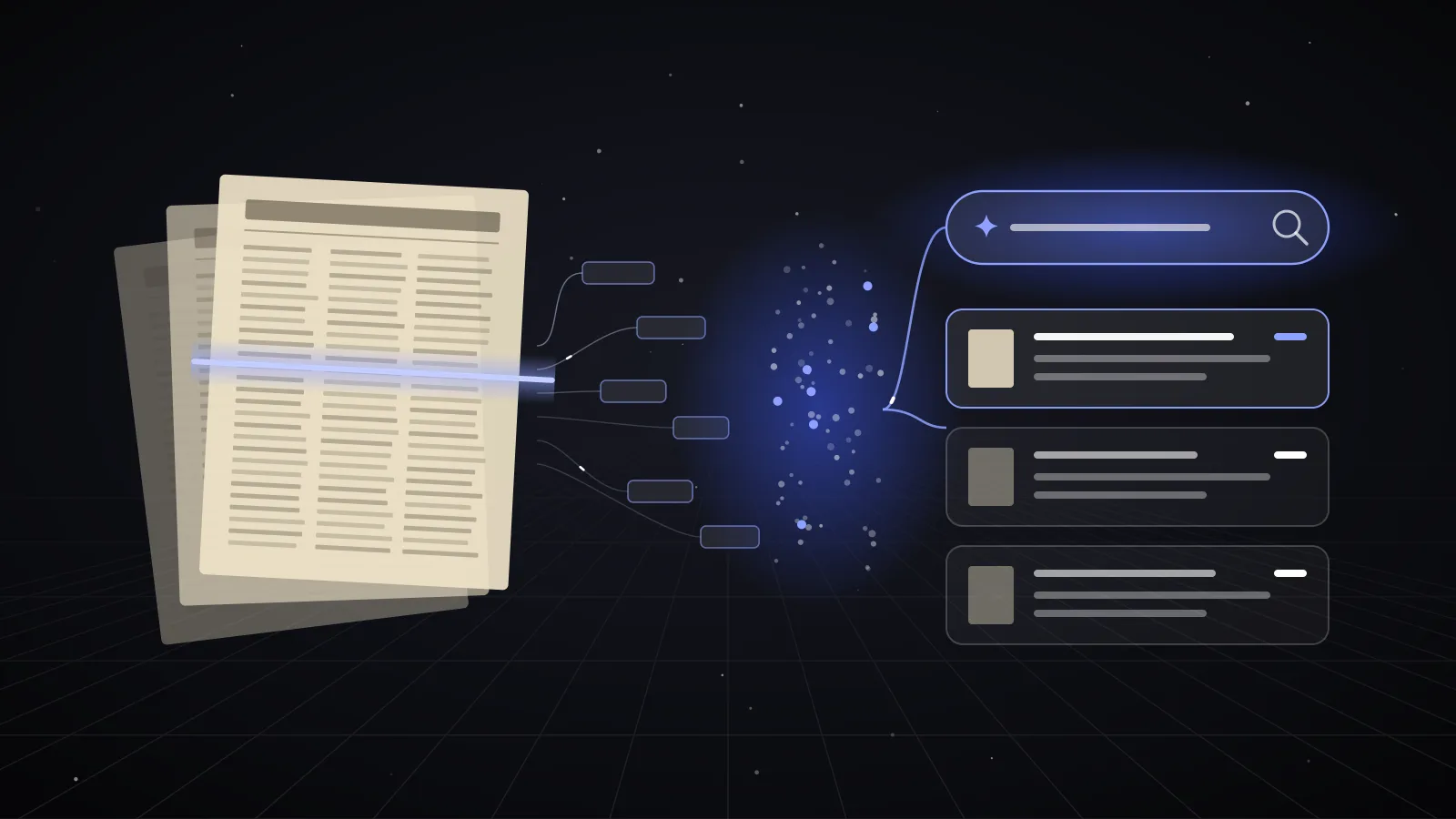
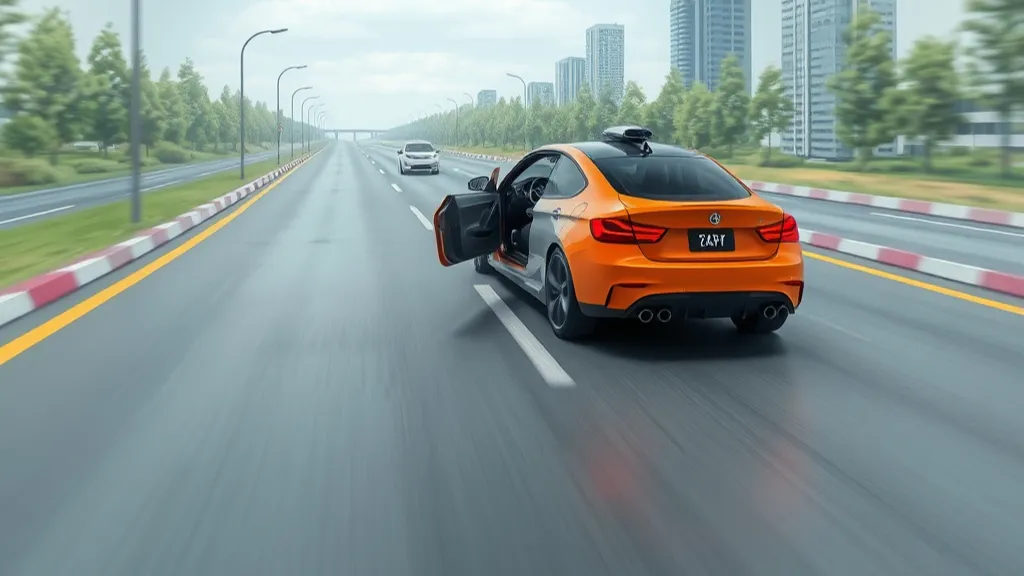
One of the biggest hurdles in autonomous driving research is turning raw sensor data into meaningful driving scenarios. This platform automatically extracts scenarios from large volumes of sensor inputs such as camera feeds, lidar, and radar data. By automating this process, it eliminates the need for manual labeling and speeds up data preparation.
The system detects key events and driving conditions, categorizing them into scenarios like urban intersections, highway merging, or pedestrian crossings. This categorization helps engineers focus on specific situations that require testing or improvement.
Managing Complex Datasets Efficiently
Autonomous driving generates enormous datasets that can be difficult to manage. The application organizes these datasets by removing duplicate entries and ensuring data consistency. It supports advanced search features, allowing users to quickly find scenarios based on parameters such as location, weather, or traffic conditions.
This structured approach reduces time spent on data wrangling and increases the accuracy of simulations. Researchers can trust that the data they use is clean and relevant, which improves the quality of their models.
Interactive Interface for Visualization and Customization
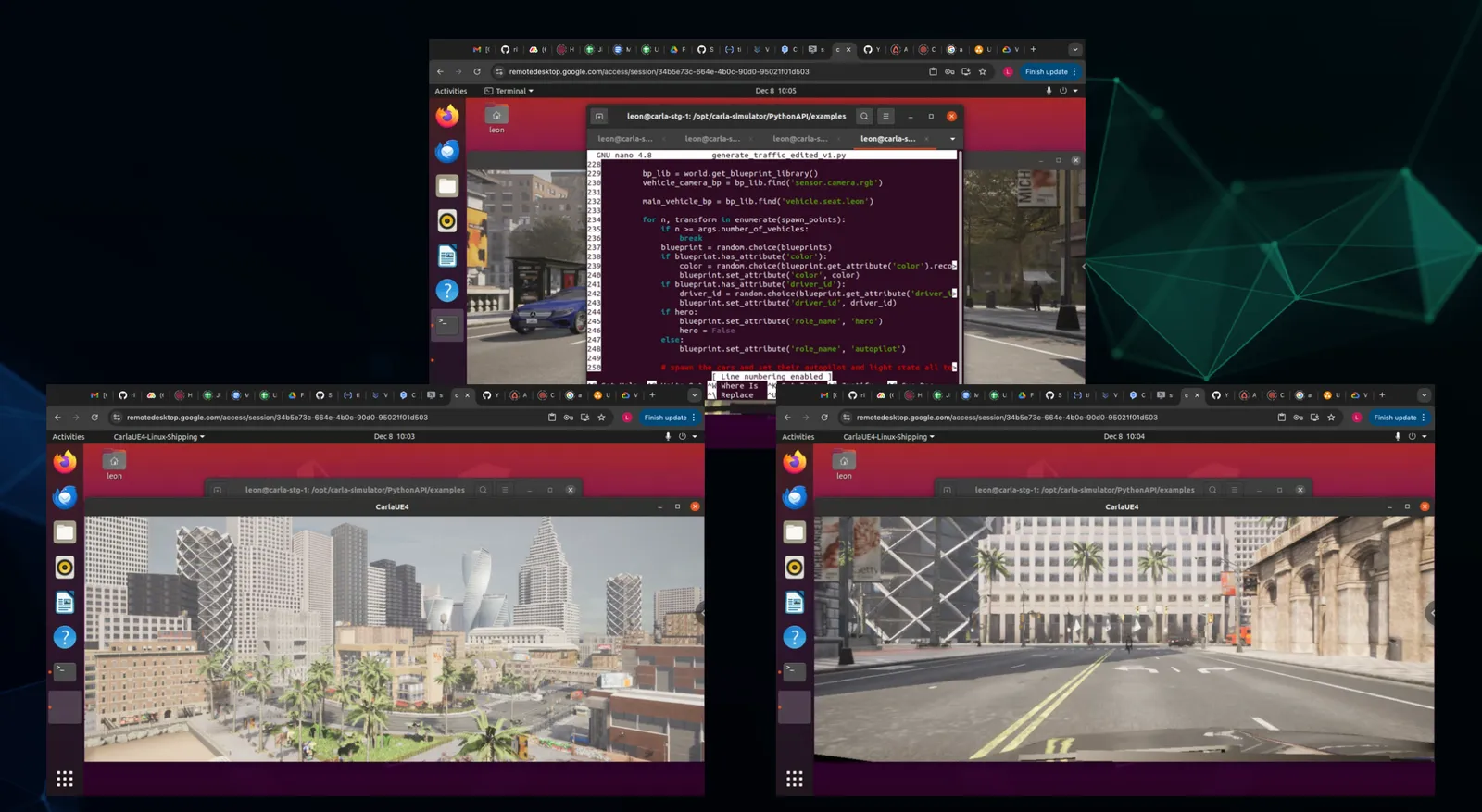
The platform offers a user-friendly interface where engineers can visualize driving scenarios in detail. Using the CARLA Simulator integrated with Unreal Engine, users can customize simulations to test different conditions or vehicle behaviors. This hands-on approach helps identify potential issues before deploying autonomous systems on real roads.
The interface supports multiple screens, enabling side-by-side comparisons of scenarios or code adjustments. This setup enhances workflow efficiency and supports collaborative development.
Technologies Behind the Solution
This web application combines several powerful technologies:
- Python for data processing and automation scripts
- CARLA Simulator to create realistic driving environments
- Google Cloud Platform (GCP) for scalable data storage and computing
- Unreal Engine to render high-fidelity visuals for simulations
Together, these tools provide a scalable and flexible platform that adapts to the evolving needs of autonomous driving research.
Impact on Autonomous Driving Development
By streamlining data management and simulation, this solution helps researchers and developers focus on improving autonomous driving algorithms. It reduces manual work, increases data accuracy, and accelerates testing cycles. As a result, teams can develop safer and more reliable autonomous vehicles faster.
The ability to quickly retrieve and simulate specific driving scenarios supports targeted improvements and better decision-making. This approach ultimately contributes to advancing autonomous driving technology and bringing it closer to widespread adoption.